Atlantic Health invested in $30 Million breakthrough upright proton therapy technology, but they weren’t getting patients.
I led qualitative and quantitative research to understand why physicians weren’t referring their cancer patients to Atlantic Health’s new treatment— then translated those findings into a messaging system that doubled physician referral intent and became the foundation for future physician-facing campaigns.
Why doctors
weren't referring
ROLETIMELINEMETHODSOUTCOMEResearch & Messaging Strategy
3 months
Qual Interviews · Quant Survey · Message Testing
"Very likely to refer" 16% → 32%
I N S I G H T
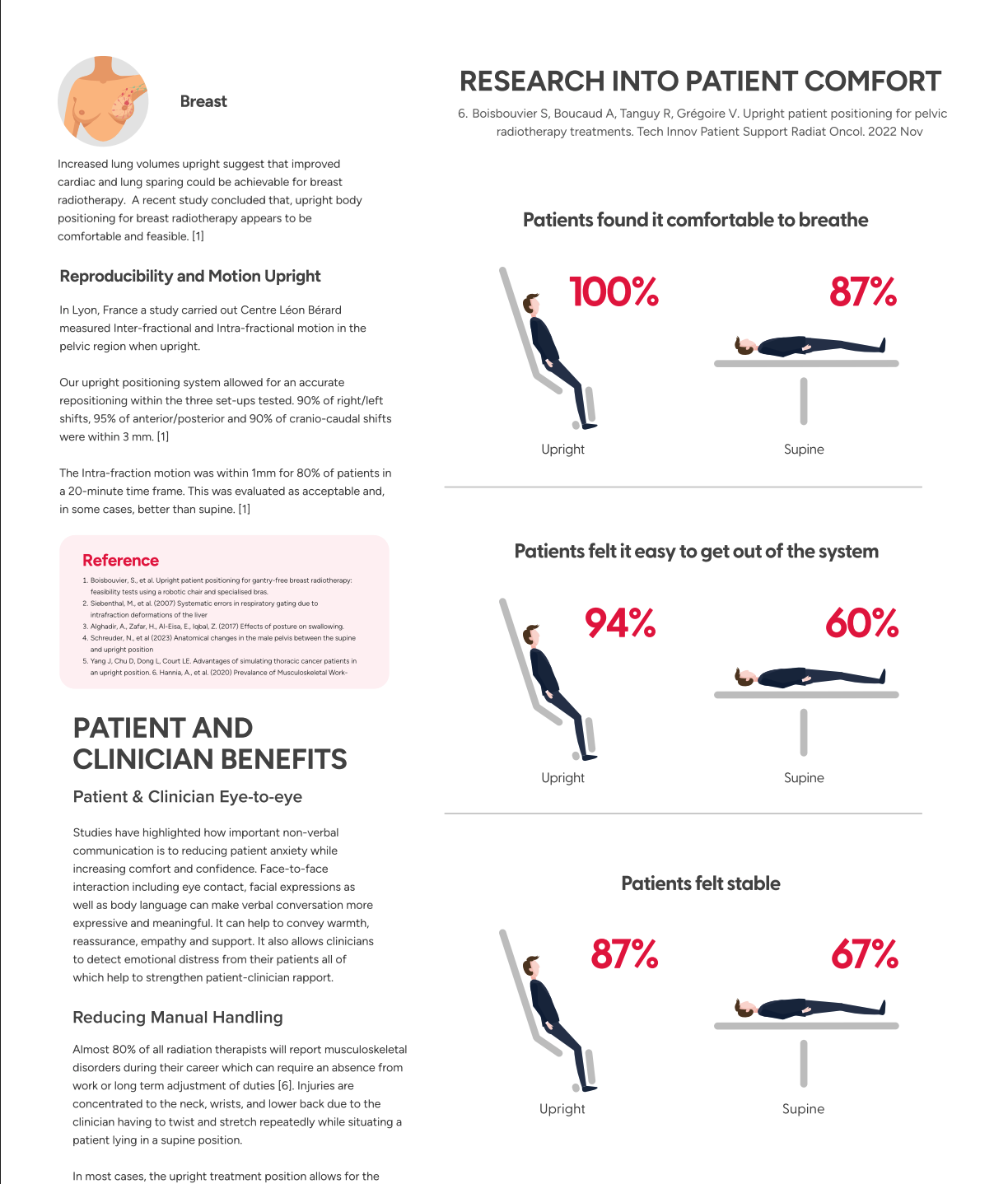
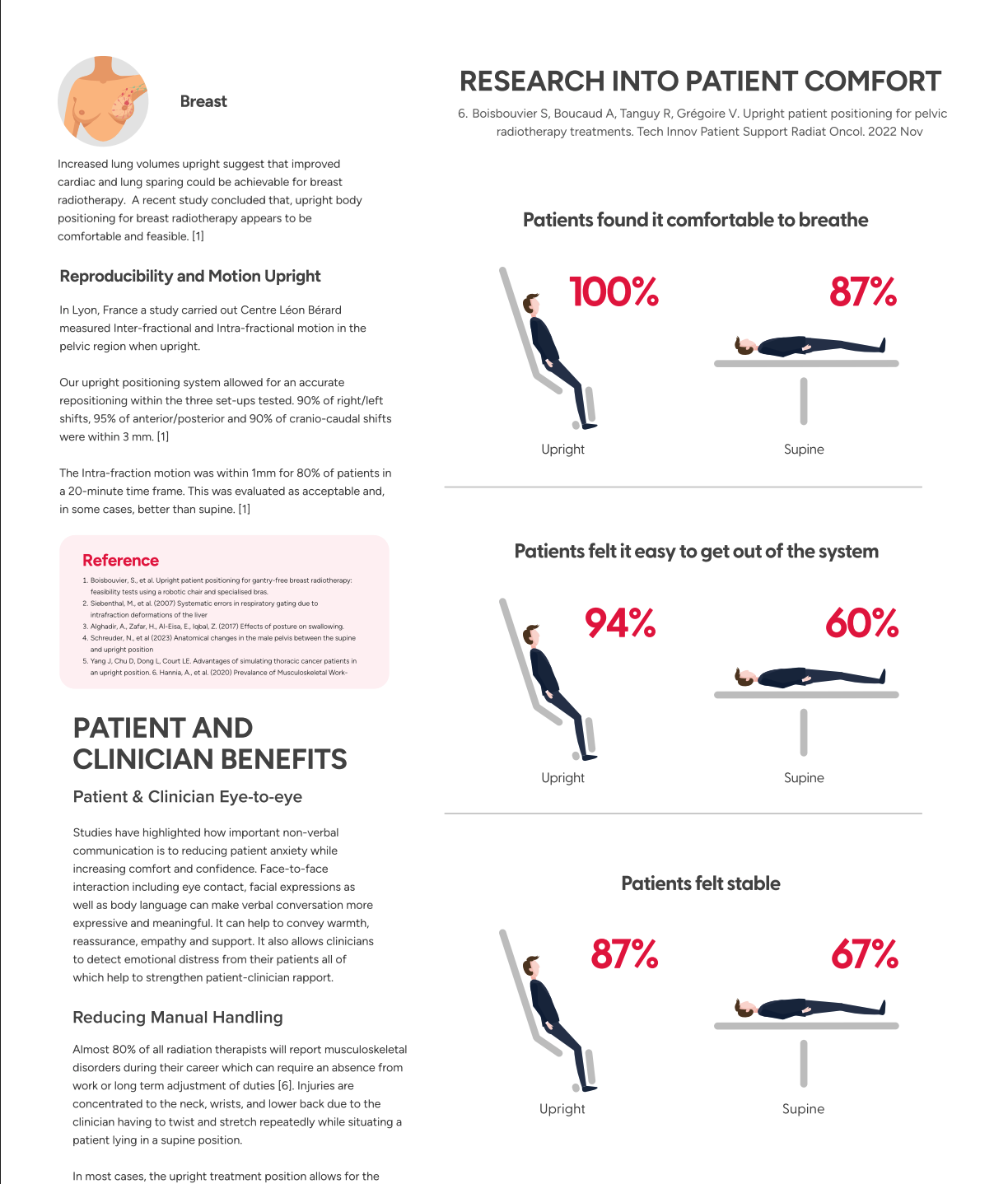
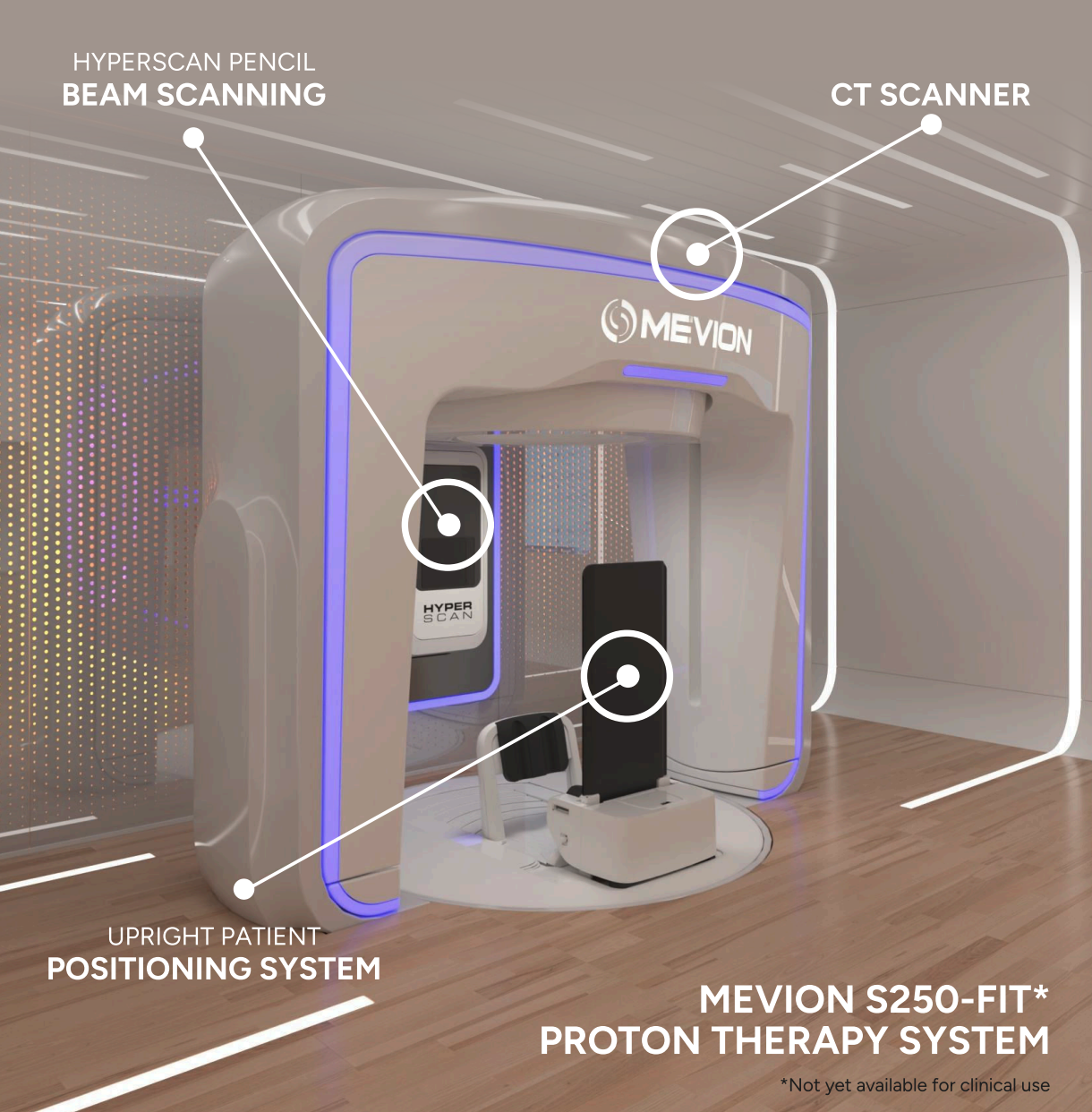
During interviews, most physicians interpreted the upright treatment chair as a patient comfort feature rather than a clinically meaningful advancement.
As a result, early messaging increased emotional appeal around comfort, but failed to strengthen medical credibility or referral confidence.
S T R A T E G I C S H I F T
Research revealed that physicians responded more strongly when upright positioning was framed as a driver of:
• treatment precision
• reduced organ motion
• targeting accuracy
Once the messaging connected upright positioning to measurable clinical outcomes, referral intent increased significantly.
E X E C U T I V E S U M M A R Y
Physicians didn’t understand why upright treatment mattered clinically
Referal intent doubled.
"Very likely to refer" increased from 16% → 32% after exposure to the revised messaging.
2 x
Increased referral intent — 16% → 32%
62→68%
Overall referral likelihood
72%
were interested or very interested in learning more — from a baseline of near-zero awareness
Adopted
Messaging deployed across email, landing pages, and advertising
I developed and tested 15 + messages. Below are changes I made informed by qualitative findings. These were then further narrowed down for the campaign (right) by their quantitative performance across clarity, credibility, differentiation, and referral impact.
B E F O R ECancer Treatment, Redefined by Precision.
Experience unmatched accuracy and comfort with advanced upright proton therapy.
Leading the Next Generation of Proton Therapy.
Atlantic Health combines clinical accuracy and patient comfort with breakthrough technology.
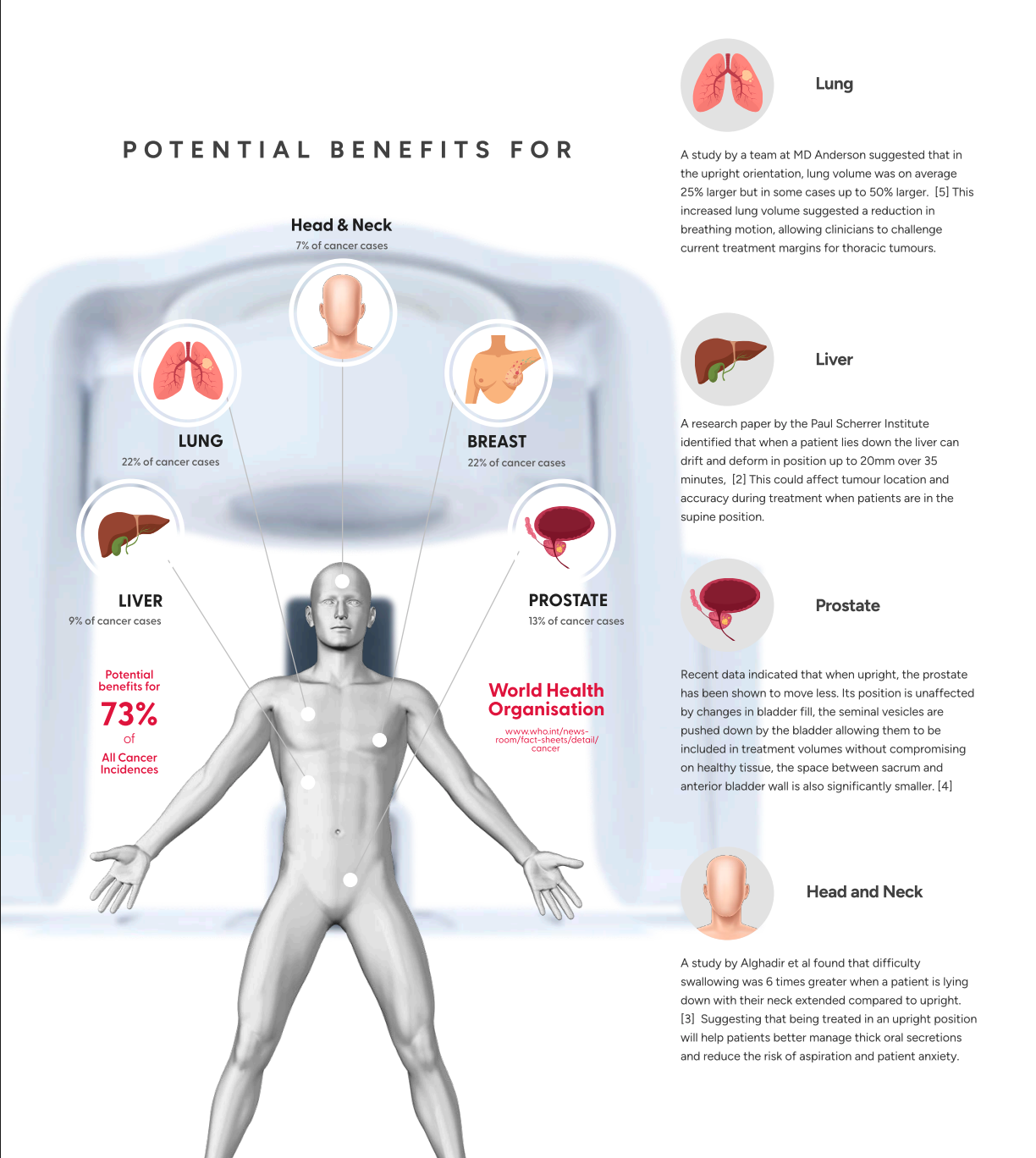
Better Results for 73% of Cancers.
Clinical outcomes improve because upright positioning enhances stability.
Why they underperformed
Too broad · lacked specificity · reduced perceived rigor · interchangeable with competitors
The messaging strategy that worked
A F T E RBetter Outcomes Begin with Greater Precision.
Upright proton therapy uses submillimeter targeting and real-time imaging to deliver unmatched accuracy.
Specific · measurable · clinically credible
Up to 50% Less Lung Motion
Upright positioning reduces breathing motion and increases lung volume for lung and chest cancers.
Directly connected upright positioning to measurable treatment precision
Fewer Side Effects Through Precise Targeting
Proton therapy stops exactly where the cancer ends so healthy cells stay protected.
Clear clinical value tied to physician referral priorities
Learn more about how I conducted my research
→
M Y R O L ELed research and messaging strategy
· Designed interview and survey frameworks
· Wrote and tested 15 messaging hypotheses across qual and quant phases
· Synthesized findings to identify highest-performing directions
· Presented recommendations to stakeholders
The final messaging framework was adopted across physician-facing creative — email campaigns, landing pages, and future advertising.
P H A S E 0 1Qualitative Interviews
G O A L Understanding how physicians interpreted the Proton Therapy System to make edits to the quant survey before testing nationally.
W H A T I N E E D E D T O U N D E R S T A N D:
how physicians currently evaluated proton therapy providers?
what made messaging feel clinically credible?
whether physicians understood the clinical value of upright positioning?
On upright positioning:
Physicians asked directly, “Are the benefits clinical or primarily related to patient comfort?"
→
We learned what physicians doubted
I N O R D E R T O D E F I N E:
referral decision-making patterns
trust drivers and skepticism triggers
reactions to early messaging concepts
gaps in understanding around upright treatment
On the message about it being effective on "73% of cancers":
Physicians questioned "Which cancers are included? Which are excluded and why?"
K E Y I N S I G H T S F O R M Q U A L
Physicians understood upright positioning as a comfort feature rather than a clinical advantage.
Since clinical advantages drive referrals, highlighting the relationship between the chair and its clinical benefits became the foundation for the quantitative phase.
H O W F I N D I N G S S H A P E D T H E N E X T P H A S E
MESSAGING DIRECTIONS CARRIED FORWARD
— Reduced organ motion
— Targeting precision
— Side effect reduction
— Treatment performance
DIRECTIONS RETIRED
x Broad innovation language
x Comfort led positioning
x Generic leadership claims
P H A S E 0 2The qualitative interviews revealed a key contradiction: physicians valued comfort for patients emotionally, but trusted clinically specific messaging when evaluating referral decisions professionally. To validate these findings at scale, I designed a national survey of 50 oncologists across the U.S.
Quantitative Message Testing
T H E G O A L W A S T O M E A S U R E W H I C H M E S S A G I N G I N C R E A S E D:
Differentiation
Referral motivation
Intent to learn more
S U R V E Y S E Q U E N C E
Referral likelihood
S T E P 1 Establish baseline referral behavior
S T E P 2 Identify physician decision-making criteria
S T E P 3 Assess understanding of proton therapy
S T E P 4 Measure behavioral response after message exposure
Clinical credibility
K E Y I N S I G H T S F O R M Q U A N T
Updated messaging outperformed broad leadership language across all measured dimensions.
This directly informed which messaging became the primary and secondary communication framework used across physician-facing campaigns.
S E L E C T E D M E S S A G E S
Better Outcomes Begin with Greater Precision.
Upright proton therapy uses submillimeter targeting and real-time imaging to deliver unmatched accuracy.
Specific · measurable · clinically credible
1
Up to 50% Less Lung Motion
Upright positioning reduces breathing motion and increases lung volume for lung and chest cancers.
Directly connected upright positioning to measurable treatment precision
Fewer Side Effects Through Precise Targeting
Proton therapy stops exactly where the cancer ends so healthy cells stay protected.
Clear clinical value tied to physician referral priorities
2
3
Next Project
( Budgeting App)
PRODUCT DESIGN

Spring
A budgeting app designed for quick check-ins before you spend.